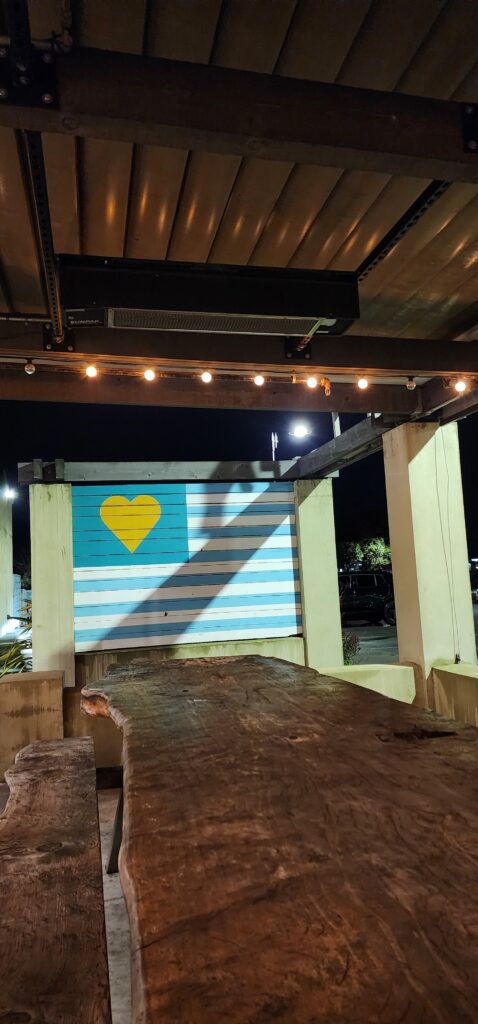
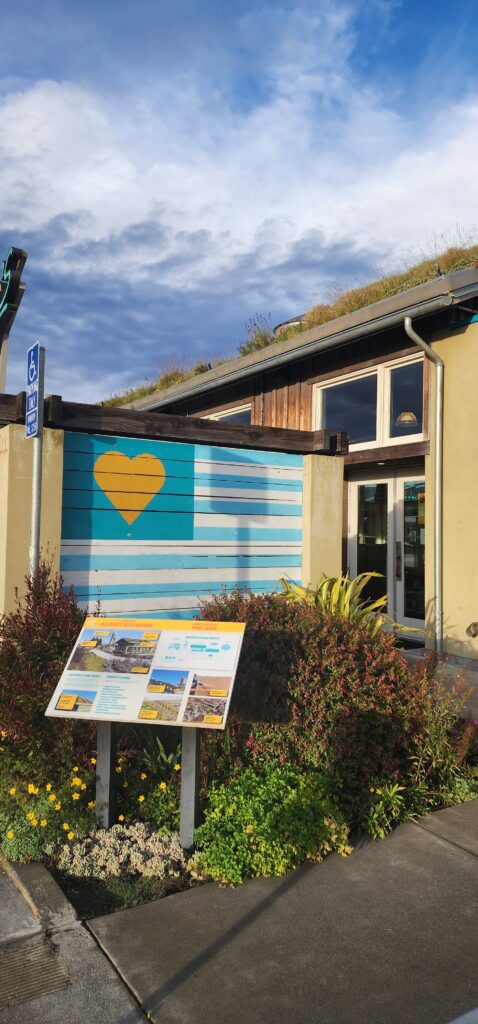
A Quiet Reflection for the Reader
Some places feed more than hunger.
They feed values, belonging, and the quiet relief of being understood without explanation.
When a place like that disappears, the grief can feel disproportionate, confusing, especially if it was “just” a restaurant, a garden, a corner of the world we didn’t own. But grief doesn’t measure square footage. It measures meaning.
This piece is a letter, a witnessing, and a thank-you to a place that held us for many years. It is also an invitation: to honor the spaces that have shaped you, to mourn them when they change or disappear, and to trust that loving deeply, even when it hurts, is worth it.
If you are grieving the loss of a place, a community, or a way of being that once felt like home, you are not alone.
Dear Amy’s,
I didn’t think I would be writing to you like this.
I thought you would simply always be there, a place I could return to when I needed to remember what alignment feels like.
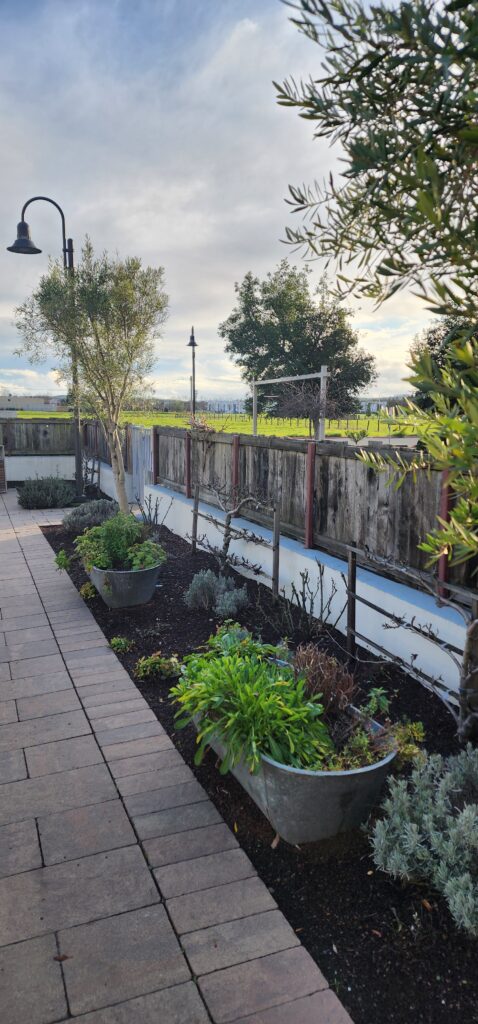
I went back this afternoon, knowing what I now know. The garden was still there. The evening light was gentle and soft. The sky still opened the way it always had at sunset. Nothing looked different, and yet everything felt unbearably tender.
There are places that feed more than hunger. When they close, what we grieve is not convenience or habit, but the quiet relief of being somewhere that understands us.
I feel like I keep losing what I love.
Please know this: you mattered. You still matter. You changed me.

Amy’s became a symbol of resilience, continuity, and hope. My soul struggles with the disbelief, the looping questions. My mind keeps returning to the same thought: but you survived COVID… you carried us through. When something helps us navigate a collective trauma, it becomes more than just a place. It becomes a witness. A companion. A marker that says: we endured something impossible, and here we still are.
So when the place that carried us through begins to disappear, it doesn’t just feel like a loss. It feels like the ground is shifting under a story we thought was settled.
Not knowing why is especially cruel. When there is no clear reason, no visible collapse, no emptiness, no obvious failure, the mind searches endlessly. Economics? Management? Something unseen? The questions circle because they are trying to restore order where there suddenly is none.
When I was in the garden tonight, I stopped by the chalkboard outside, in grief and silence. The same garden. The same chalkboard where we celebrated Earth Day. I looked around and found a small, wet piece of chalk on the ground next to the board. I picked it up and wrote:
“This place is dear to my heart. I will miss you, Amy’s.”
When I returned later, the board had filled. Broken hearts. Flowers. Words of love. Messages from other people who had also been held by this place, who also needed to say: this mattered. It was not just grief. It was collective mourning. A shared recognition that something good and rare existed here.
And something else quietly weighs on my heart. The garden. The roof plants. The trees. What will happen to them once Amy’s closes its doors? What will happen to those who cannot speak for themselves?
I don’t have answers tonight. I only know that you fed more than bodies. You fed values. You fed hope. You fed a way of being in the world that felt gentle, ethical, and true.
Thank you for holding us.
Thank you for existing.
Thank you for changing me.